

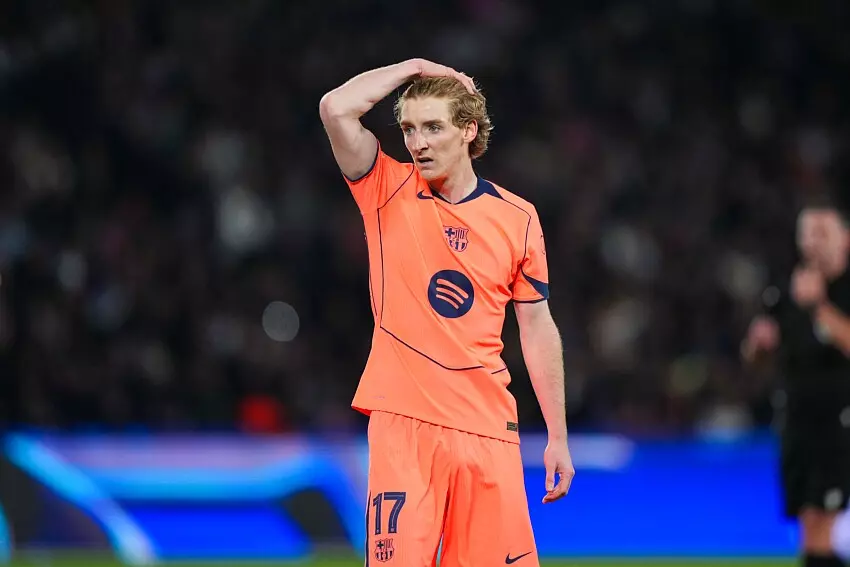
Anthony Gordon, the 25-year-old FC Barcelona winger, reflected on the 4-2 defeat to Paris Saint-Germain during the third matchday of the Champions League league phase. In comments reported by Le Parisien, the Englishman pointed to fatigue and the rotation of the Parisian squad.
Gordon: “I don’t think they are superior”
“I don’t think they are better than us. We have to take responsibility for both defeats, as these were the two biggest matches we’ve played so far, and we lost. But I don’t believe they are superior. I think we have a fantastic team, and on any given day, we can beat anyone. Regarding these two matches, the one against PSG needs to be put into context: they rotated their entire squad in the league over the weekend.”
Gordon: “We were really tired from the match”
“We didn’t have that privilege, so we were really tired by the time the match came around. That’s just how it is—we have to take responsibility—but I do think they had a huge advantage in that regard.”
Gordon is willing to take responsibility, but clearly not without presenting a case for mitigating circumstances. It is perfectly natural for him to believe his team is capable of beating Paris; however, attributing the defeat to the fact that the opponent was better rested is far less convincing. Fatigue can certainly be a factor, but it shouldn’t distract from analyzing what PSG did well and where Barça fell short. In this instance, the self-criticism is brief, while the excuse takes center stage.
The term “privilege” is particularly convenient. Rotating a squad also involves taking risks—preparing for a match while relying on a collective that must function effectively even with different players on the pitch. Why should this be framed as an extenuating circumstance for Barcelona, rather than a credit to Paris? Gordon is free to challenge the broader hierarchy—a single match doesn’t settle everything—but acknowledging that Paris was the better side that evening wouldn’t exactly cost him the shirt off his back. By constantly tacking a “but” onto his “we must take responsibility,” he ultimately strips that very phrase of any real meaning.


