

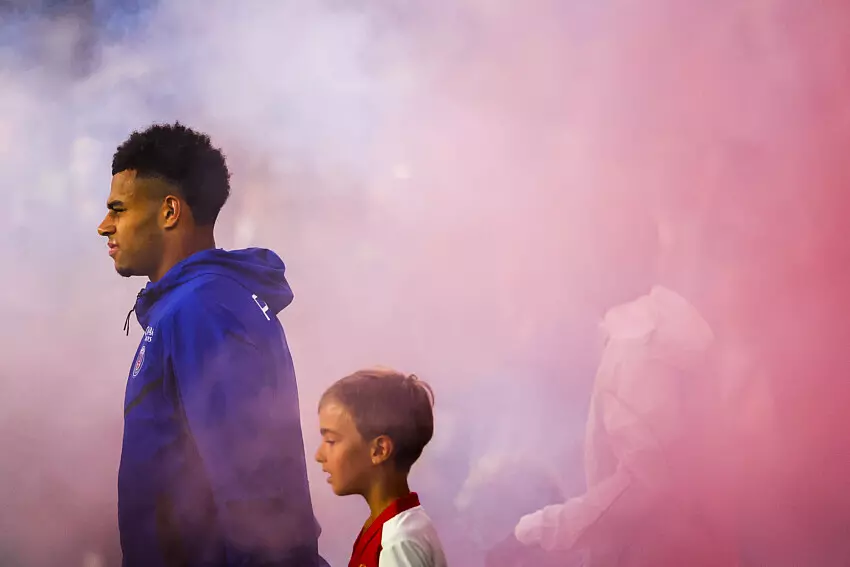
Having started on the bench for Paris Saint-Germain’s last two matches, Désiré Doué (21) is going through a less dazzling spell, while Ferran Torres (26) is racking up goals… L’Équipe is consequently questioning whether his playing time is under long-term threat. Analyzing this dip is fair enough; jumping to conclusions about a new pecking order is far less so.
Two matches are now enough to script the future.
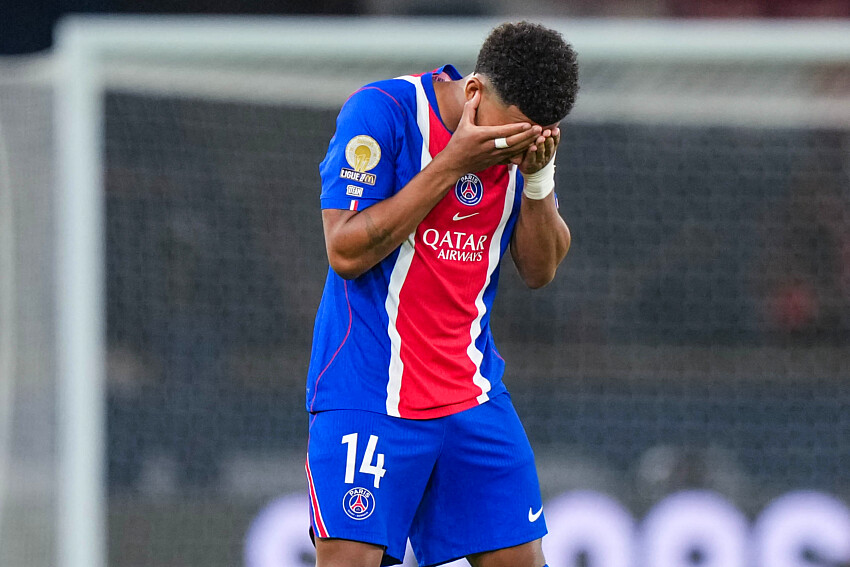
There is no point in denying the obvious. Désiré Doué is shining less brightly at the start of this season. Left on the bench at kick-off against Slovan Bratislava and then at Brest, he failed to make a significant impact when he did come on in Brittany. Meanwhile, Ferran Torres is scoring, impressing, and making the most of the space afforded to him. His success is neither artificial nor undeserved.
Analyzing the here and now is certainly valid. It involves acknowledging that, right now, the Spaniard is contributing more and Doué needs to regain his influence. However, that analysis becomes questionable when it turns two team lineups into a permanent demotion. The language shifts its function: it no longer describes a current phase but begins to script the next one.
This has become one of the most tiresome habits in sports commentary. A player drops out of the starting XI momentarily, and suddenly his spot is under threat. A rival goes on a scoring run, and the pecking order is supposedly upended. A substitute fails to make an impact, and doubt sets in. Every match is expected to confirm a major trend, as if a season could no longer afford moments of respite, fluctuations, or simple slumps.
A season is not built at the speed of commentary.
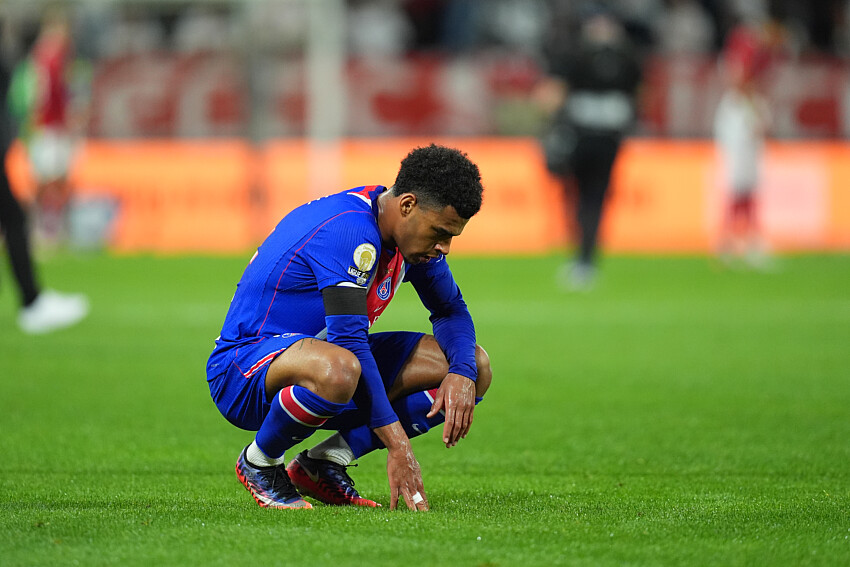
Désiré Doué is 21 years old. He has just returned from a World Cup to a Paris Saint-Germain side still searching for its collective rhythm after an inconsistent start to the season. These factors do not absolve him of responsibility for his current performances, but they make it reasonable to avoid viewing those performances in isolation.
His journey in Paris so far should actually encourage a more measured perspective. After an initial settling-in period, Doué had gradually grown in influence, eventually becoming a key figure in PSG’s European successes. His trajectory has never been perfectly linear. There is no reason to assume it should suddenly become so now.
Luis Enrique now has more attacking options at his disposal—and he is using them. This creates genuine competition, from which Doué obviously cannot consider himself immune. Ferran Torres deserves to play, just as Ousmane Dembélé, Khvicha Kvaratskhelia, Maghnes Akliouche, and other contenders must earn the right to keep their spots. Yet competition is not necessarily a punishment; it can also be a step in managing each player’s energy, fitness, and development.
It would be equally excessive to imagine Luis Enrique has some secret master plan. There is no guarantee the coach is meticulously orchestrating Doué’s return to the forefront. The Frenchman needs to regain his sharpness, exert more influence on games, and seize the opportunities that come his way. Trusting in the process does not mean handing out immunity.
Capturing the present without foreclosing the future.
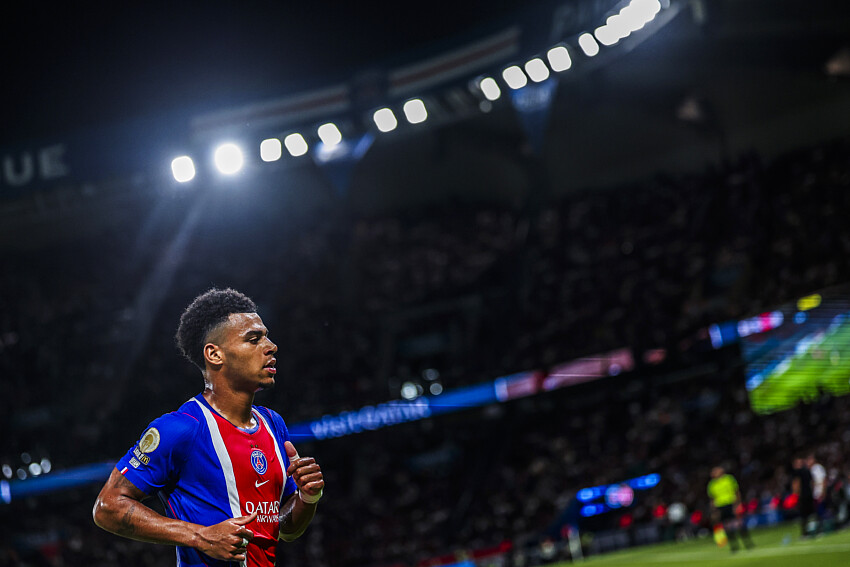
The whole issue lies in that nuance. It is possible to write that Ferran Torres is currently in better form without declaring that Désiré Doué has lost his spot. It is possible to note a dip in performance without turning it into a structural concern. It is even possible to question Luis Enrique’s choices without claiming to know, as early as September, what the attacking pecking order will look like next spring.
Football does not suffer from being analyzed in the moment; it suffers when that moment becomes the only perspective available. Désiré Doué might quickly regain his importance, or he might have to wait a while longer. Time will tell. For now, two matches on the bench tell the story of a specific period—certainly not an entire season.


