
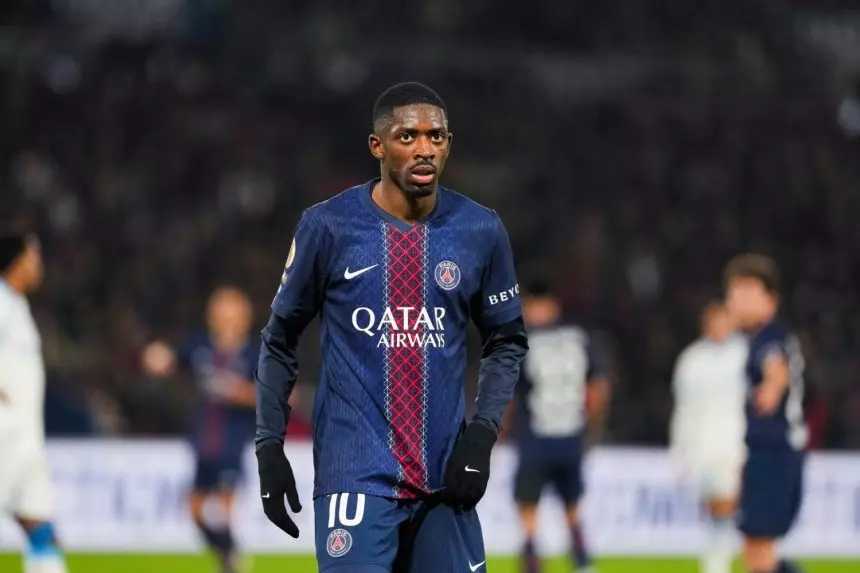
On Téléfoot, Jean-Pierre Papin (62 years old) summed up the influence of Ousmane Dembélé (28 years old), the Paris Saint-Germain striker, in one idea: with him, Paris changes its face. An understandable interpretation… provided we don’t fall into the trap of seeing him as a savior, to the detriment of the team.
“Does a great Ousmane Dembélé make a great Paris?
When he’s not there, it’s not the same PSG, not the same effectiveness. He has become so indispensable to this team that you need a great Ousmane Dembélé.”
Papin hits a nerve: when Dembélé is in form, PSG gains speed of execution, unpredictability, and efficiency in the key areas. His contribution isn’t limited to the final touch: he draws defenders in, creates space, and forces the opposition to defend deeper—which also frees up the rest of the team.
But there’s a classic pitfall: the individualization of football, turning a team into a dependency. PSG is better with a great Dembélé, yes. However, this group isn’t meant to sanctify an “indispensable” player. Dembélé also shone because he was supported by a solid collective framework last season, and it’s precisely this framework that must remain the foundation.
The real luxury for Paris isn’t having “a player without whom everything collapses”: it’s being able to win differently on different nights, with or without a single hero.” Modern football quickly punishes teams that confuse star player with game plan.