

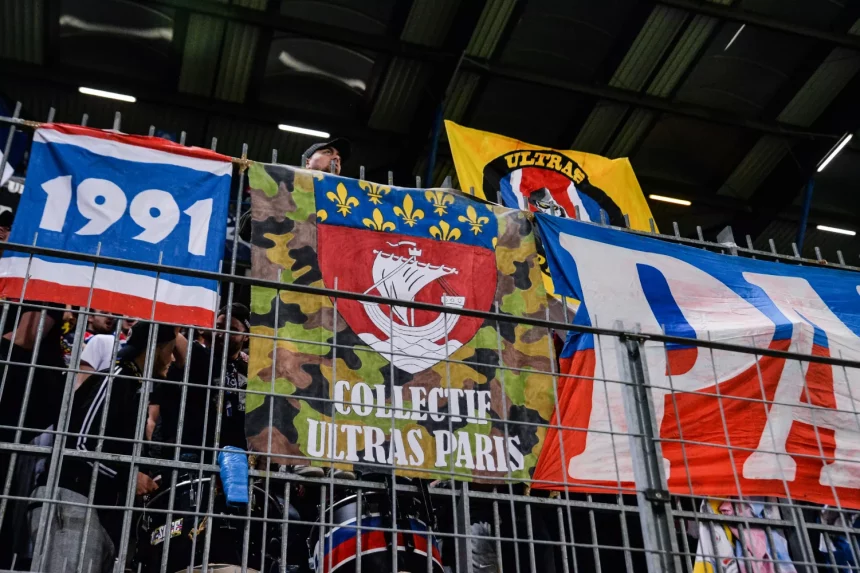
The Collectif Ultras Paris has decided to take legal action. In a statement published on X, Paris Saint-Germain’s main supporters’ group announced its intention to appeal to the Council of State following eleven years of repeated travel bans to the Vélodrome.
“Just like every year, we are banned from traveling to the Vélodrome.
But this time, we have decided to challenge this situation through legal channels.
We have instructed our lawyer to urgently petition the Council of State to challenge the upcoming ministerial ban and to seek the annulment of the prefectural decree dated August 28, 2026.
Since 2015, six different prefects have held office, yet no genuine dialogue has been established with us. Eleven years of repeated bans cannot serve as a substitute for dialogue.
This time, we have decided to use every legal avenue available to us to defend our freedom of movement and our right to support our club.
We are not asking for any privileges. We are simply asking for the law to be respected.
We are taking the matter to the Council of State.”
The frustration expressed by the CUP goes far beyond the issue of yet another absence from the away section at the Vélodrome. The group is primarily challenging a mechanism that has become almost automatic: year after year, the ban returns, with no apparent effort to find a lasting solution or engage in genuine dialogue. Yet, an exceptional measure cannot—simply through repetition—become a permanent policy for managing supporters.
This legal move now compels the authorities to specifically justify the necessity and proportionality of their decisions. The risks surrounding the OM-PSG match obviously cannot be dismissed, but endlessly citing the volatile nature of Le Classique fails to address the central question: why has no organized arrangement allowed for the return of Parisian supporters since 2015? Eleven years on, the security argument increasingly looks like a convenient way out.
Turning to the Council of State does not guarantee a win for the CUP, particularly given the very tight timeframe before the match. It does, however, mark a significant shift: bans will no longer simply be endured and decried but directly challenged on legal grounds. By repeatedly replacing dialogue with official decrees, the authorities have ultimately driven Parisian supporters to seek judicial intervention. It is hard, this time, to fault them for finally wanting to break the deadlock.