

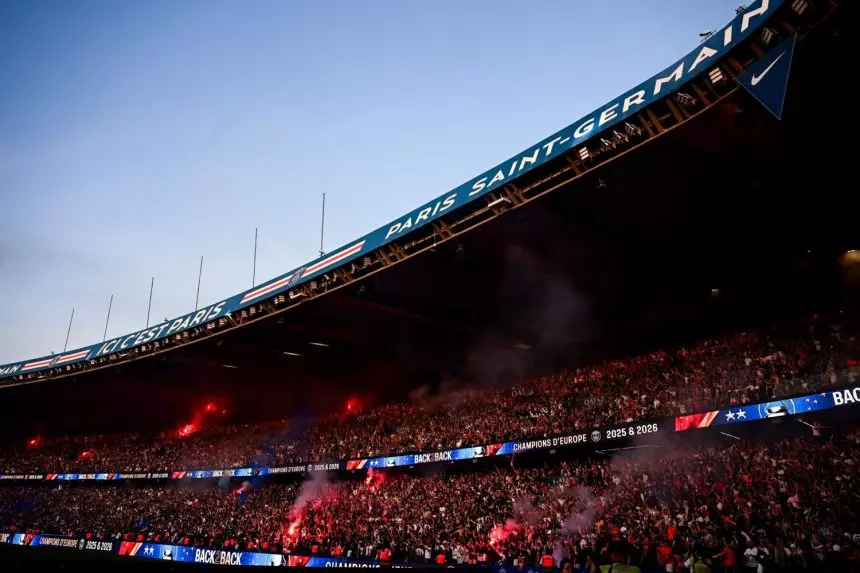
According to Le Parisien, the process regarding the sale of the Parc des Princes reaches a new milestone this Thursday with a steering committee meeting at Paris City Hall. While Paris Saint-Germain is keeping several options open, the club’s historic stadium is clearly back in the conversation.
An official first step in a long-running saga
“This marks the first official step toward a sale of the Parc des Princes. A steering committee meeting regarding the expansion of the stadium at Porte de Saint-Cloud is taking place this Thursday, June 25, at Paris City Hall.”
The symbolism is significant. After years of deadlock between PSG and the City of Paris, the Parc des Princes is no longer merely a subject of public statements or political tension. The matter is entering a more concrete working phase, with a meeting dedicated to the project’s technical aspects. For the Parisian club, the goal remains the same: to secure a venue capable of supporting its growth.
An expansion project that remains central
“Victoriano Melero, the club’s General Manager, will outline the approach and expectations of a club that has also launched extensive studies regarding the construction of a new stadium in Poissy and Massy. He will also summarize the expansion project for the Parc des Princes, which aims to increase capacity from 48,000 to 60,000 seats.”
PSG is keeping all its options open. That is the key aspect of this situation: the Parc is back in the running, yet Poissy and Massy remain credible alternatives. Paris wants to stay at the Parc, but not at just any price. Increasing capacity to 60,000 seats remains a crucial point, as the current stadium inevitably limits ticketing and hospitality revenue for a club aiming for the pinnacle of European football.
Al-Khelaïfi steps back but holds the final say
“Nasser Al-Khelaïfi will not be present. […] The PSG president is not expected to participate in these working meetings.” […] Al-Khelaïfi will step in at the very end of the process, when a decision must be made regarding the three proposals presented to him.”
Nasser Al-Khelaïfi’s absence does not signal a lack of interest—quite the opposite. The PSG president allows his teams to handle the technical phase before intervening at the decisive moment. It is also a way to maintain some distance regarding a sensitive matter where any public statement could influence negotiations. The club is therefore proceeding methodically, without publicly committing to a single option.
The sale price: the key sticking point
“Has the sale price been discussed? Undoubtedly, even though no one—neither at the club nor at City Hall—wants to confirm it. As planned, the valuation carried out by the Service des Domaines [state property agency] will serve as the basis for the price set by Emmanuel Grégoire.”
This is the crux of the matter. Until the price is set, nothing is truly finalized. The City of Paris wants to protect its interests, while PSG wants to avoid overpaying for a stadium that will still require significant investment. The project goes beyond just purchasing the Parc; it must also factor in renovation work, neighborhood development, and constraints related to the ring road.
An agreement that seems logical, yet far from guaranteed
“PSG wants to stay at the Parc, the City wants PSG to stay at the Parc—it would be pretty stupid of them not to reach an agreement.”
That sentence sums it all up. From sporting, historical, and political perspectives, keeping PSG at the Parc des Princes remains the most obvious choice. But “obvious” does not mean “simple.” The process has dragged on too long to assume a foregone conclusion. The steering committee represents progress, not a signed deal. The real test begins now: turning a shared desire into a solid agreement.


