
Laurent Fournier, a former player and experienced coach, adopted a measured tone in Le Parisien after another difficult match for Paris Saint-Germain. For him, despite the obvious weaknesses, Paris maintains its playing principles—ball control, pressing—and simply needs to regain composure and rhythm. In this context, Fournier highlights a realistic vision of PSG in 2025, capable of progress without dramatizing the situation.
Fournier: “There’s no need to worry”
“There’s no need to worry because we see the same playing principles, this desire to control the ball, to press. It’s just a question of luck and fatigue. They lacked composure. Hakimi will return, Dembélé and Doué will get back into form. We’ll wait until March for PSG’s big matches. But I think they’ll be ready.”
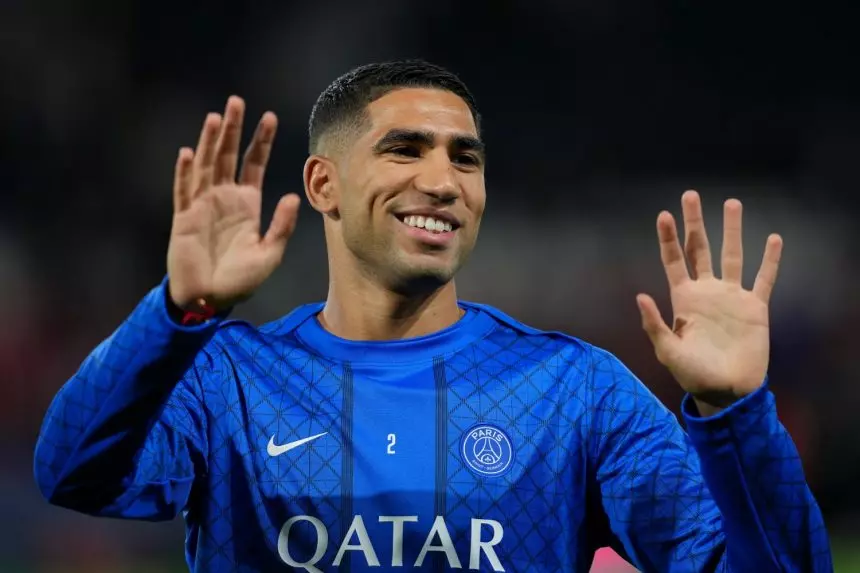
Fournier: “Hakimi revolutionized the full-back position, and when he comes back, it will be entirely beneficial.”
“Even though they have more pressure in Ligue 1, it will remotivate them. Zabarnyi’s introduction on the right side wasn’t easy. When you’re used to playing centrally and you end up on the wing, you can feel the difference. I’m thinking of the two plays at the end of the match where he was beaten. Hakimi revolutionized the full-back position, and when he comes back, it will be entirely beneficial.”
Fournier isn’t one to get carried away with emotions. At 61, he sees Paris Saint-Germain with a solid compass: the team retains the same principles that are the club’s hallmark. He acknowledges that PSG has weaknesses, a lack of composure, signs of fatigue, and defensive experiments like playing right-back Ilia Zabarnyi out of position, but he refuses to throw the baby out with the bathwater.
In his view, it’s not a problem of playing philosophy, but of adjustment and timing: the return of Achraf Hakimi (27 years old) will reconfigure the right flank, and the emergence of Ousmane Dembélé (27 years old) and Désiré Doué (20 years old) adds depth.
Fournier urges us to look beyond immediate results: this season’s PSG cannot be judged solely by the Champions League final against Inter Milan, an extraordinary achievement, but should be appreciated for its ability to maintain its identity while correcting its mistakes. His measured stance is a call for patience and analysis rather than alarm.