

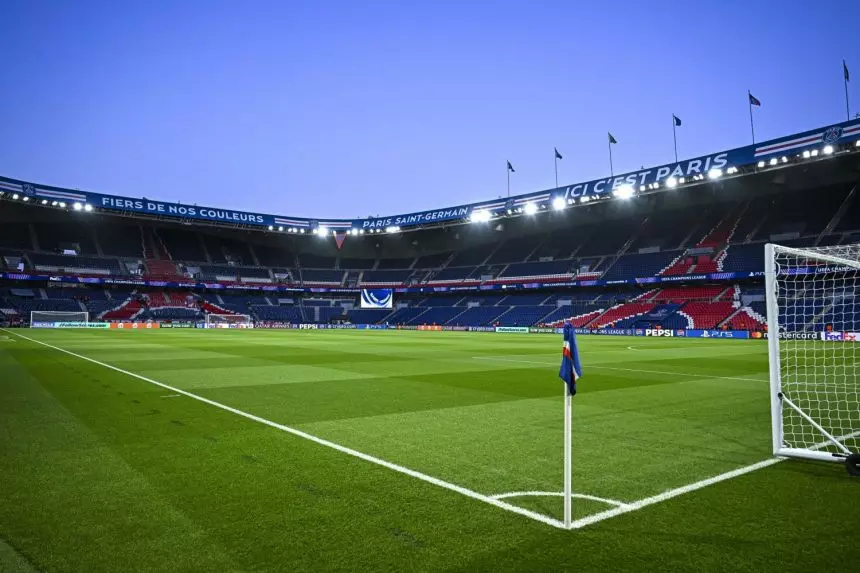
The Parc des Princes issue is back at the forefront for Paris Saint-Germain. Emmanuel Grégoire, the new mayor of Paris, wants to quickly restart discussions, but the information reported by Le Parisien reveals a complex, strategic, and already competitive situation for a club that is also exploring other options.
Grégoire: “I want to restart discussions very quickly.”
“I want to restart discussions very quickly. I will convene the extraordinary Paris City Council meeting in mid-April. We have an emotional attachment to our club, we want it to stay in Paris, and we will do everything to ensure the conditions are right. Regarding the timeline, we have agreed with the club’s shareholders that we want to conclude discussions by the end of the summer at the latest. I hope to reach an agreement with PSG by the summer.”
“He wants to move quickly. Perhaps too quickly…”
“The new mayor of Paris wants to do everything to keep PSG. And he wants to move quickly.” Perhaps too soon for a club that can’t afford any mistakes on such a strategic issue. In reality, it will be impossible to reach an agreement before mid-September and the end of the summer season. To be perfectly clear, the goal is to decide before then whether the financial and scheduling conditions are right to bring the Parc des Princes back into contention with the proposed future stadiums in Massy (Essonne) and Poissy (Yvelines).
“Many obstacles remain before finalizing the purchase and expansion of the Parisian stadium.”
It is also at the end of the summer that the conclusions of the feasibility studies for these two sites will be released. For the club’s management, the timeline remains unchanged: they want to use the autumn to put all the options on the table, analyze them, and make a decision before winter.
Numerous obstacles remain before the purchase and expansion of the Parisian stadium can be finalized, increasing its capacity from 48,000 seats to between 55,000 and 60,000. However, the dynamism displayed by Emmanuel Grégoire could tip the scales in his favor. Meanwhile, the mayors of Massy and Poissy have been very discreet during the campaign on this issue, which they intend to put to a referendum.
The essential point is this: Paris is trying to regain control, but PSG is no longer operating under a logic of dependence. The proactive approach shown by Emmanuel Grégoire may reopen a door, but it cannot erase the months already invested in exploring the Massy and Poissy options. The Parisian management is making progress on a matter too crucial to succumb to mere political hype, with feasibility studies expected by the end of the summer before a comprehensive analysis in the fall.
Between the price of a potential sale, the expansion of the Parc des Princes from 48,000 to 55,000 or 60,000 seats, and the urban and institutional obstacles, the issue goes far beyond a question of goodwill. This time, the pressure is clearly on the Paris City Hall. The real challenge for Emmanuel Grégoire is therefore not to speak quickly, but to demonstrate swiftly that Paris can offer PSG a credible, solid, and competitive solution in the face of already very real alternatives.


